Don't Get Shocked: Identifying Live Wires in Your Home
Identifying live wires is an essential part in working with wiring. If you’re an experienced electrician or an owner trying to solve an electrical problem it is essential to understand how to recognize live wires, and take the necessary precautions to prevent dangerous incidents. The following article we will discuss the importance of identifying live wires as well as the safety precautions you should take in working on electrical wiring.
Working with electrical wiring can be extremely dangerous It is essential to be aware of the dangers associated with it. Electrocution is a serious danger, and can result in serious injuries or death. It is essential to ensure that you have the proper knowledge and tools to operate electrical wiring in a safe manner.
Understanding the basics of electrical wiring
Before we get into the details of identifying live wires, it is important to be aware of what they are. Live wires are wires that carry electrical current, and they could be risky if not dealt with properly. When it comes to electrical connections, there are three types of wires: neutral, hot as well as ground wires. Hot wires carry the electrical current, neutral wires carry the return current, and ground wires provide an uninvolved pathway for the flow of current.
Tips and Precautions to Identify Live Wires
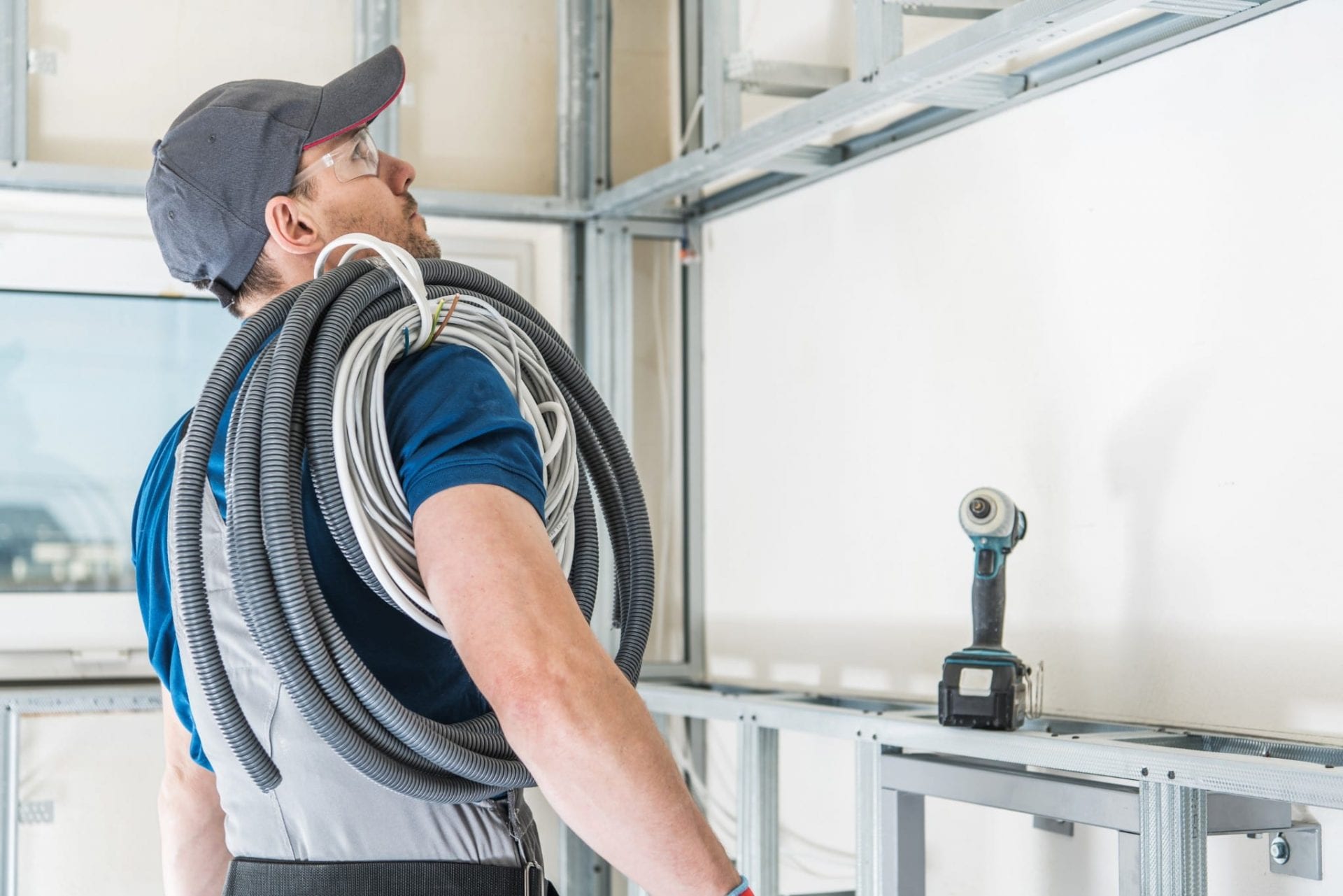
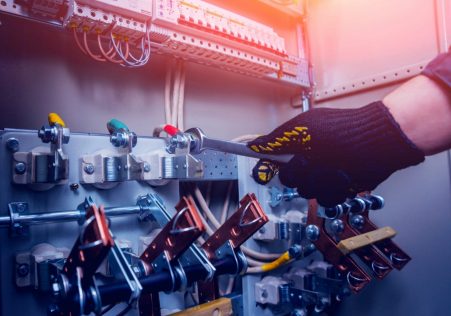
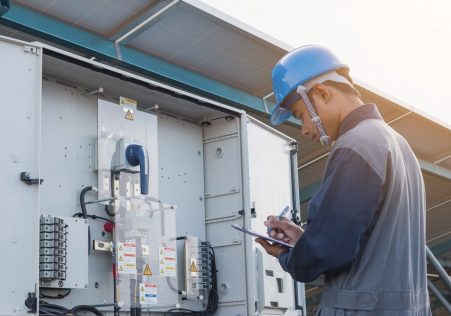
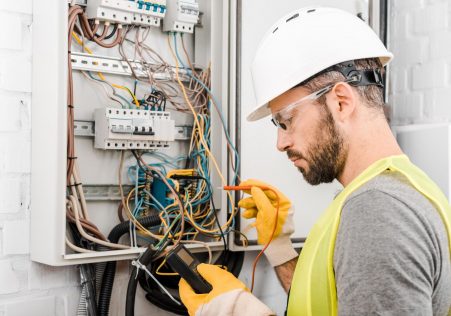
The identification of live wires requires the use of the appropriate tools and precautions. A few of the essential tools is a non-contact voltage tester, which is a device that can detect electrical currents without making contact with the wires. It is also crucial to shut off the power supply to the circuit you are working on and wear protective equipment, including protective gloves as well as safety glasses.
How to recognize live wires
These are step-by-step directions for identifying live wires
- Turn off the power to the circuit you’ll be working on.
- Use a non-contact voltage tester to detect any live wires. Place the tester close to the wire, and if the tester detects voltage, it will beep or light up.
- Utilize a circuit breaker finder to identify the circuit breaker that controls the circuit. This will enable you to cut off the power to the circuit.
What To Do When You Come across a Live Wire
If you find a live wire, it’s important to turn off power to the circuit immediately. If you’re uncertain about how to do this then it’s recommended to seek professional help. Turning off the power will stop any current of electricity from flowing through the wires, and will decrease the chance of injury or electrocution.
Conclusion
Finding live wires is a critical aspect when working on electrical wires. It’s important to take the essential precautions, like using the right tools and shutting off the power, to avoid dangerous incidents. If you’re uncertain about how to recognize live wires or have queries regarding electrical wiring be sure to get in touch with a professional electrician for assistance, such as Local Electrician Lidcombe at 1300 610 481. They’ll be able to assist you with any electrical issues and make sure that your house is secure and in compliance with the latest standards.